 TH
TH EN
EN JP
JP CN
CN
Blog
Preform: The Starting Point of High-Quality Edible Oil Packaging
Preform: The Starting Point of High‑Quality Edible Oil Packaging
When we pick up a bottle of edible oil in everyday life, many may not realize the origins of this packaging. A preform is the essential component behind the production of PET plastic bottles, widely used in the food and edible oil industries for its durability, clarity, and safety for consumers.
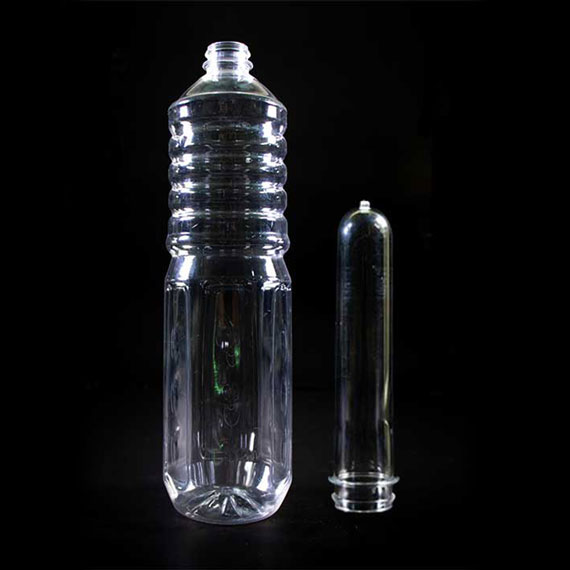
The preform is like the starting point of the packaging because it is a semi-finished product molded by injection before being blown into edible oil bottles in the required shape and size. Understanding preforms not only helps illustrate the entire manufacturing process but also highlights their importance in creating high-quality packaging for both producers and consumers.
What Is a Preform?
A PET preform is a cylindrical plastic product with a threaded neck, made from polyethylene terephthalate (PET) resin via injection molding. Developed to replace glass bottles in the packaging industry since the late 20th century, preforms are popular due to their lightweight, transit safety, and shatter resistance. Today, they are the primary material in the production of edible oil, drinking water, and various beverage containers.
Typically, preforms are made from PET resin (Polyethylene Terephthalate) which offers notable characteristics:
‑ High transparency (High Transparency), allowing clear visibility of the product inside
‑ Durable strength, resistant to breakage
‑ Food-safe (Food Grade), meeting international standards
‑ 100% recyclable, environmentally friendly
‑ Some manufacturers may add additives like UV stabilizers to extend the shelf life of edible oil
The Role of Preforms in the Edible Oil Industry
Edible oil is a consumable product requiring high‑quality packaging to protect against rancidity, degradation, and contamination. Preforms play a vital role:
1. Preserve oil quality – PET has suitable resistance to gas and moisture transmission, slowing down spoilage.
2. Consumer safety – Contains no harmful substances that may contaminate food.
3. Convenience in storage and transportation – Lighter than glass bottles, reducing logistics costs.
4. Design flexibility – Can be blown into various bottle shapes to meet market needs.
How Preforms Are Manufactured
1. PET resin drying – Dried to prevent moisture uptake.
2. Injection Molding – PET resin is melted and injected into a preform mold.
3. Cooling and Ejection – The preform solidifies and is ejected from the mold.
4. Blow Molding – The preform is reheated and blown into the desired bottle shape.
Related Manufacturing Technologies
- Injection Molding Machine – precisely controls temperature and pressure during molding.
- Blow Molding Technology – uses heat and compressed air to shape bottles.
- Automation & AI Control – reduces defects, improves accuracy, and enhances production quality.
Why Preforms Are Ideal for Edible Oil Packaging
1. Preserve freshness and quality
2. Ensure consumer safety
3. Lower production and shipping costs
4. Offer design flexibility
5. Support mass production
Preform Design and Sizes
- Weight – ranges from 12 g up to and over 50 g.
- Length – corresponds to bottle volumes from 250 ml to 5 liters.
- Neck Finish – such as 28 mm, 30 mm, 38 mm thread sizes.
Comparison: Preforms vs. Other Packaging Materials
| Material | Advantages | Disadvantages |
|---|---|---|
| PET Preform | Lightweight, transparent, shatter-resistant, recyclable | Requires heat in production |
| Glass Bottle | Crystal-clear, non‑permeable to gases | Heavy, fragile |
| Metal (Can) | Durable, withstands pressure | Opaque, costly |
Future Trends in Preform Development
- Use of Bio‑PET made from plants such as sugarcane and cassava.
- Increased use of Recycled PET (rPET).
- Lightweighting technology to reduce packaging weight and carbon footprint.
Choosing a Quality Preform Manufacturer
- ISO 9001 and GMP certified.
- Equipped with modern production technologies.
- Ability to customize specifications per customer needs.
- Offers after‑sales support and quality inspection services.
FAQs
Q1: Why are preforms popular in the edible oil industry?
A: Because they are durable, transparent, safe, and reduce production costs.
Q2: Can preforms be recycled?
A: Yes, 100% recyclable and can be remade into new packaging.
Q3: How do preforms differ from glass bottles?
A: They are lighter, more durable, and easier to transport.
Q4: Can preforms be used for packaging other than edible oil?
A: Yes—for example, drinking water, soft drinks, and fruit juices.
Q5: Do preforms affect oil quality?
A: Yes, they help preserve freshness and prevent contamination.
Q6: What is the future outlook for preforms?
A: Toward eco‑friendly packaging such as Bio‑PET and rPET.
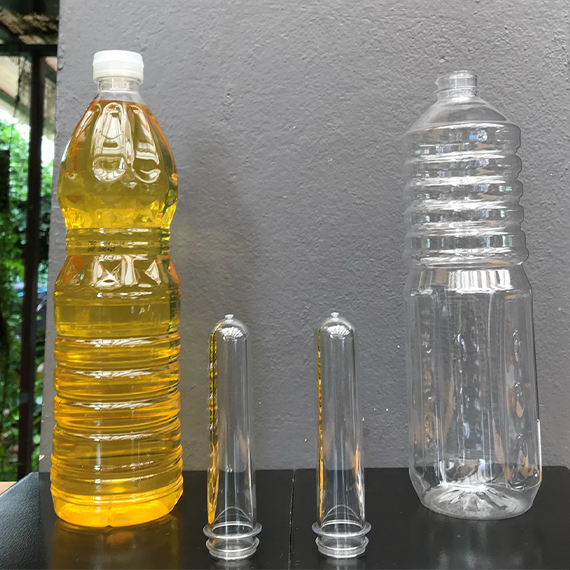
Preforms are not merely semi‑finished materials but the starting point for quality packaging—directly affecting the safety, quality, and sustainability of the edible oil industry. Advancing production technology and using eco‑friendly materials will ensure preforms continue to play a pivotal role in the future.